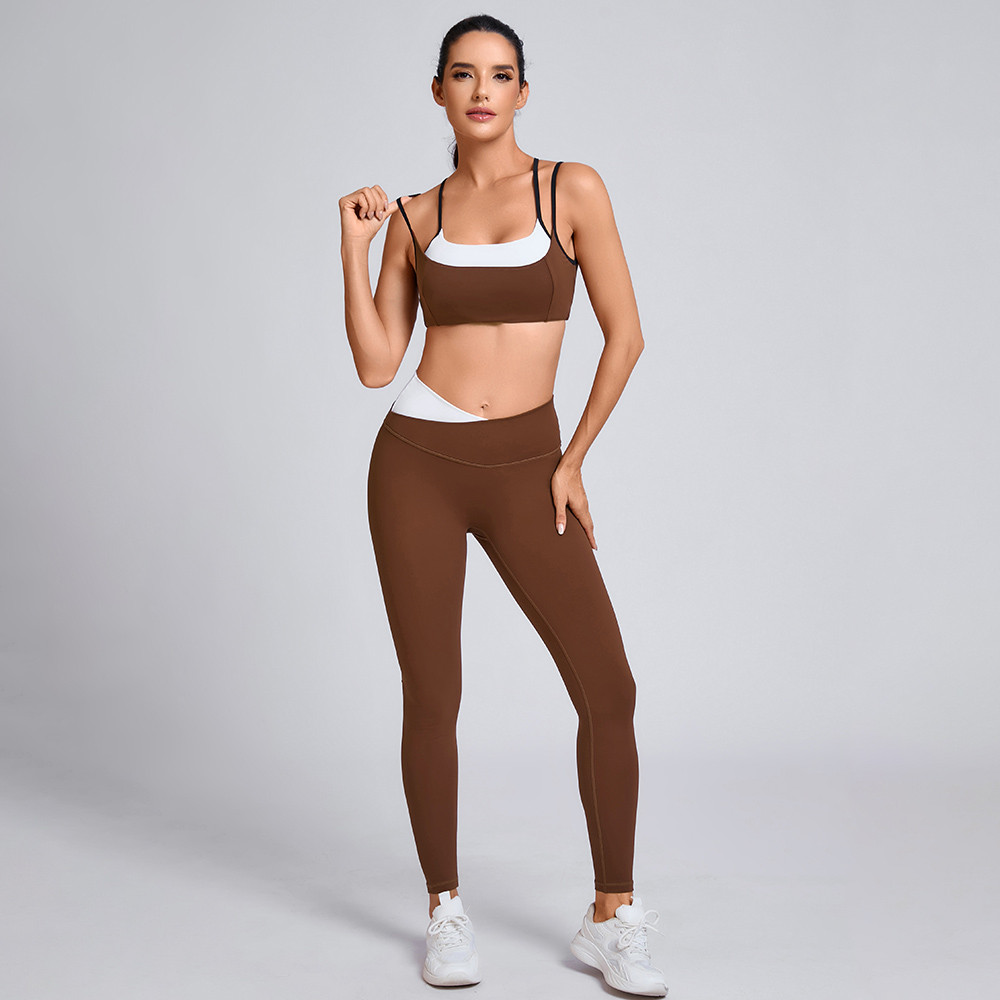
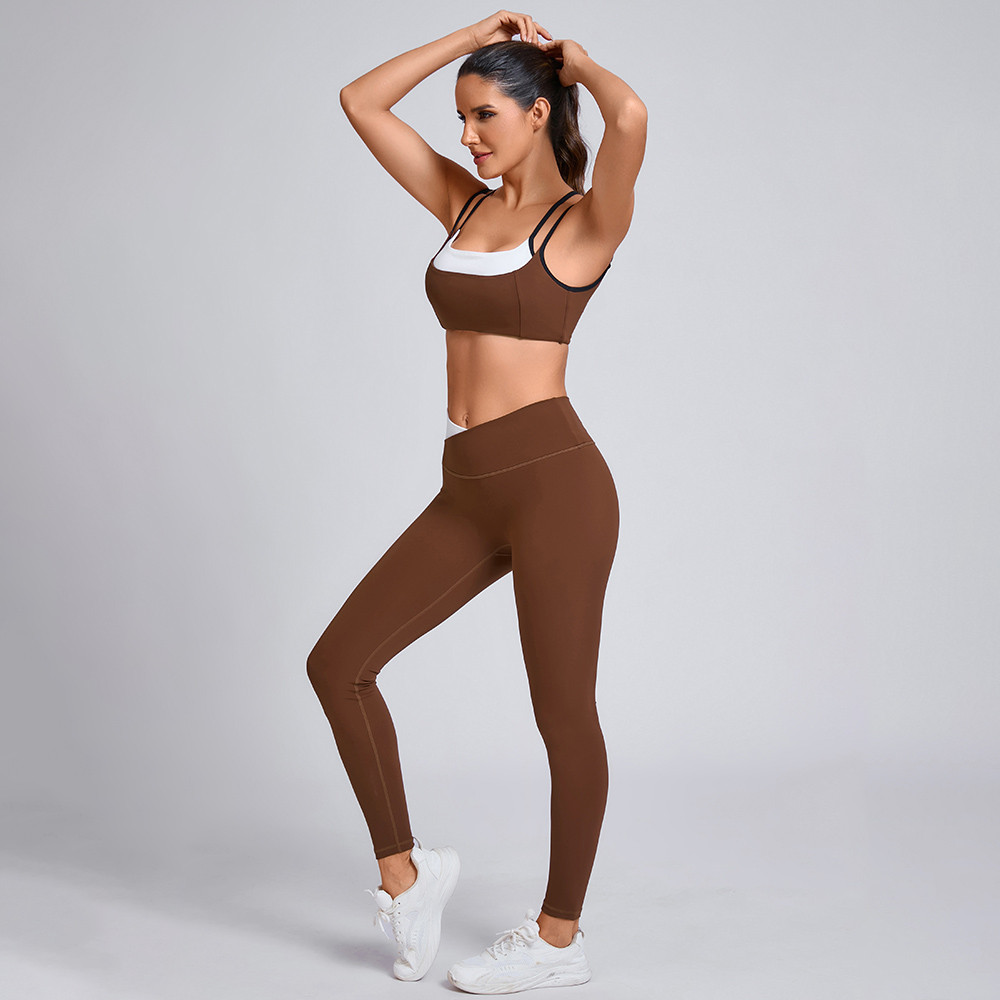
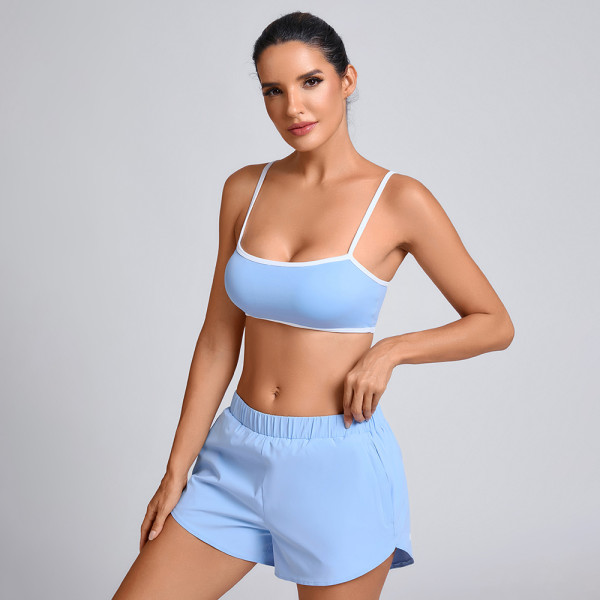
We began by aligning with the client on “best-seller standards”: fabric GSM, stretch recovery, sizing tolerances, and key construction requirements (waistband, crotch, side seams). We then built a complete bulk tech pack and a master size set as the baseline for production.
From there, we executed three core actions:
Production line optimization & process breakdown
We assigned high-volume styles to stable teams and set specialized stations for key operations (waistband attachment, joining seams, binding/coverstitch). This reduced line changeover loss and improved throughput.
Material rhythm management
For high-demand colors, we locked fabric lots and dye schedules earlier to prevent material shortages that can stop lines mid-production.
QC moved upstream
Instead of relying mainly on final random inspection, we implemented stage-by-stage checks across cutting → sewing → finishing/packing, with extra focus on measurements and stretch recovery during first-piece inspection, in-line checks, and final inspection—ensuring consistent results across batches.
We also established a clearer delivery cadence: urgent restocks went through a fast-track lane, while regular orders followed a weekly rolling schedule—keeping marketing scale and factory capacity aligned.