Forget Pickleball: Why Padel Apparel is the Next Billion-Dollar Opportunity for Sportswear Brands
- Share
- publisher
- Eationwear
- Issue Time
- Jan 22,2026
Summary
Padel is outpacing Pickleball in profit margins. Discover why this high-ticket niche is the 2026 growth engine for fashion brands and how to source premium Padel apparel.
Market Intelligence • 8 Min Read
The Verdict: Will You Lead or Follow?
Let’s cut straight to the chase: Padel is not the next Pickleball. It is the upgraded, high-ticket future of racket sports apparel.
If you are a brand owner planning your 2026 product calendar, or an e-commerce seller looking for an untapped niche, pay close attention. Right now, the construction of Padel courts globally is outpacing the supply of specialized apparel. We are in a classic "Seller’s Market."
Strategic Insight: For brands that can quickly align with a reliable Padel Apparel Manufacturing partner, this represents more than just sales volume—it’s a rare opportunity for significant brand prestige and premium pricing.
1. The Phenomenon: A Global "Elite" Frenzy
While Pickleball has spread like wildfire across the US, Padel is conquering the "wallets" of the world—specifically in Europe, the Middle East, and South America.
- The Data: According to the Global Padel Report, the number of Padel clubs worldwide is projected to hit 85,000 by 2026.
- The Demographics: In cities like Dubai, Stockholm, and Madrid, Padel is the new Golf. People aren't just playing to sweat; they are playing to socialize and network.
What does this mean for you? It means the typical Padel player cares less about a bargain price tag and more about "looking professional and stylish." This creates a massive vacuum for Private Label Activewear brands: the sportswear giants are reacting too slowly, leaving the door wide open for agile brands to provide products that blend high performance with high fashion.
2. The Trap & The Opportunity: Why "Rebranding Tennis Wear" Doesn't Work
Many brand owners think, "Can’t I just take a tennis skirt, rename it a 'Padel Skirt', and sell it?"
This is a million-dollar mistake—and your biggest opportunity to beat the competition.
As experts deeply rooted in the supply chain, we know that Padel demands specific functionality that differentiates it from tennis. Professional Padel Apparel Manufacturing must solve these unique pain points:
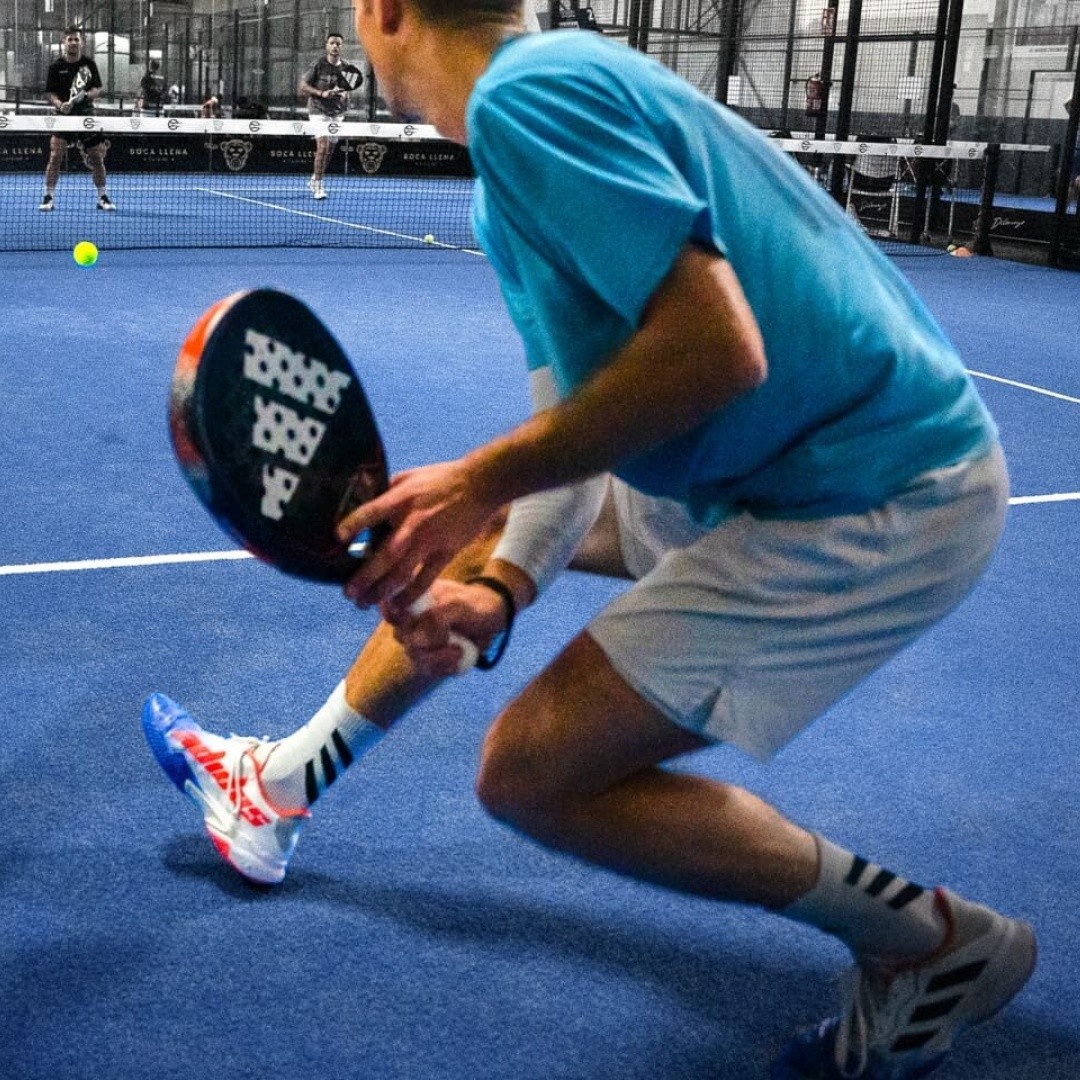
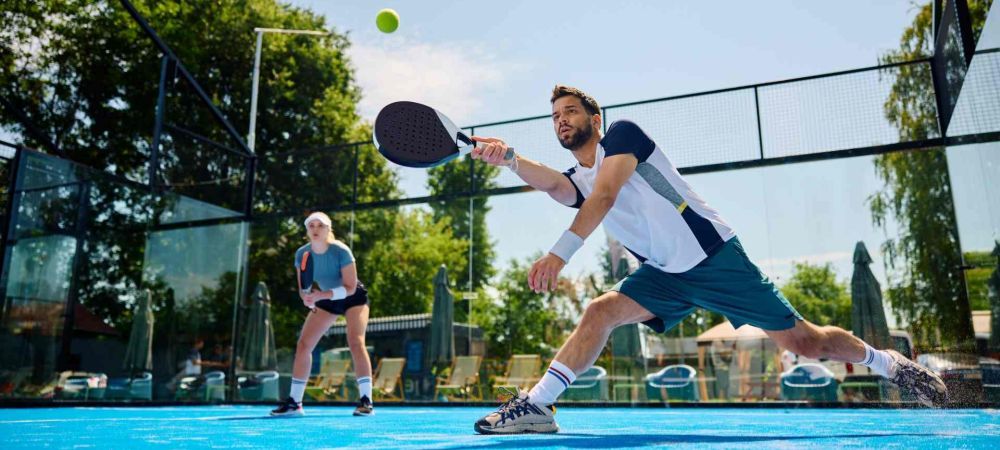
- The "Cage" Factor: Padel is played in a court enclosed by glass and wire mesh. Players frequently scrape against the walls to save shots. Standard, lightweight tennis fabrics will snag and tear against the mesh. Your product needs high-gsm, abrasion-resistant fabrics, particularly in high-contact zones.
- Pocket Engineering: The Padel ball is slightly different in pressure, and the game is fast-paced (mostly doubles). If your shorts’ pockets aren't engineered correctly, balls will bounce out during rapid direction changes. Specialized Padel shorts require deep, secure pocket construction.
- The Climate Factor: Many Padel courts are semi-indoor. This means fabrics need to balance moisture-wicking properties with thermal regulation, rather than just maximum cooling.
Understanding these nuances allows you to state "Designed specifically for Padel movements" in your product listings—this isn't just marketing fluff; it's a conversion killer.
3. The Business Case: Why Padel Offers Better Margins
In B2B procurement, we always look at the bottom line. Padel apparel currently sits at the profitable intersection of "Old Money Aesthetic" and "High Performance."
- High Average Order Value (AOV): Compared to the race-to-the-bottom pricing of $20 yoga leggings on Amazon, a well-designed Padel dress can easily retail for $80 - $120.
- Lower Return Rates: Padel players are typically seasoned athletes who know their size and requirements. As long as your Sportswear OEM delivers consistent quality, customer loyalty is incredibly high.
- The Community Effect: Padel is hyper-social. Once your brand gains approval in one club, word-of-mouth spreads instantly, often leading to bulk team orders for the entire club.
4. Supply Chain Advice: Launching Your First Padel Capsule
If you decide to enter this market, don't start "broad and messy." Start "niche and premium."
Fabric is King: Look for Nylon 66 blends with a high percentage of Spandex/Elastane. You need fabric that offers "structural support" (holding the body in) while remaining soft against the skin. If you can't find this, consult a professional factory—do not use generic, low-end yoga fabric.
Minimalist Design, Premium Colors: The current trend favors Navy Blue, Forest Green, Crisp White, and Earth Tones. Avoid cheap-looking neons.
Find the Right Factory: Not all manufacturers understand Padel. You need a partner experienced in Custom Sportswear Manufacturing who understands the biomechanics of the sport.
5. Conclusion: Your Move Today Defines Your 2026 Ranking
The Padel craze is not a flash in the pan; it is a fundamental shift in the lifestyle of the global middle class.
The market today looks exactly like the Yoga market did in 2015—full of opportunity, but the window is closing. You can choose to watch from the sidelines as other brands capture the market share, or you can act now, leveraging a mature supply chain to launch products that define the category.
What is your next step?
Don't let manufacturing complexities stall your brand expansion. If you are looking for a partner who understands the unique demands of the sport and can provide high-quality Padel Apparel Manufacturing.
Start Your Padel Project